NBA Injury Reporting and Betting: How Status Updates Affect Lines
 Available in US
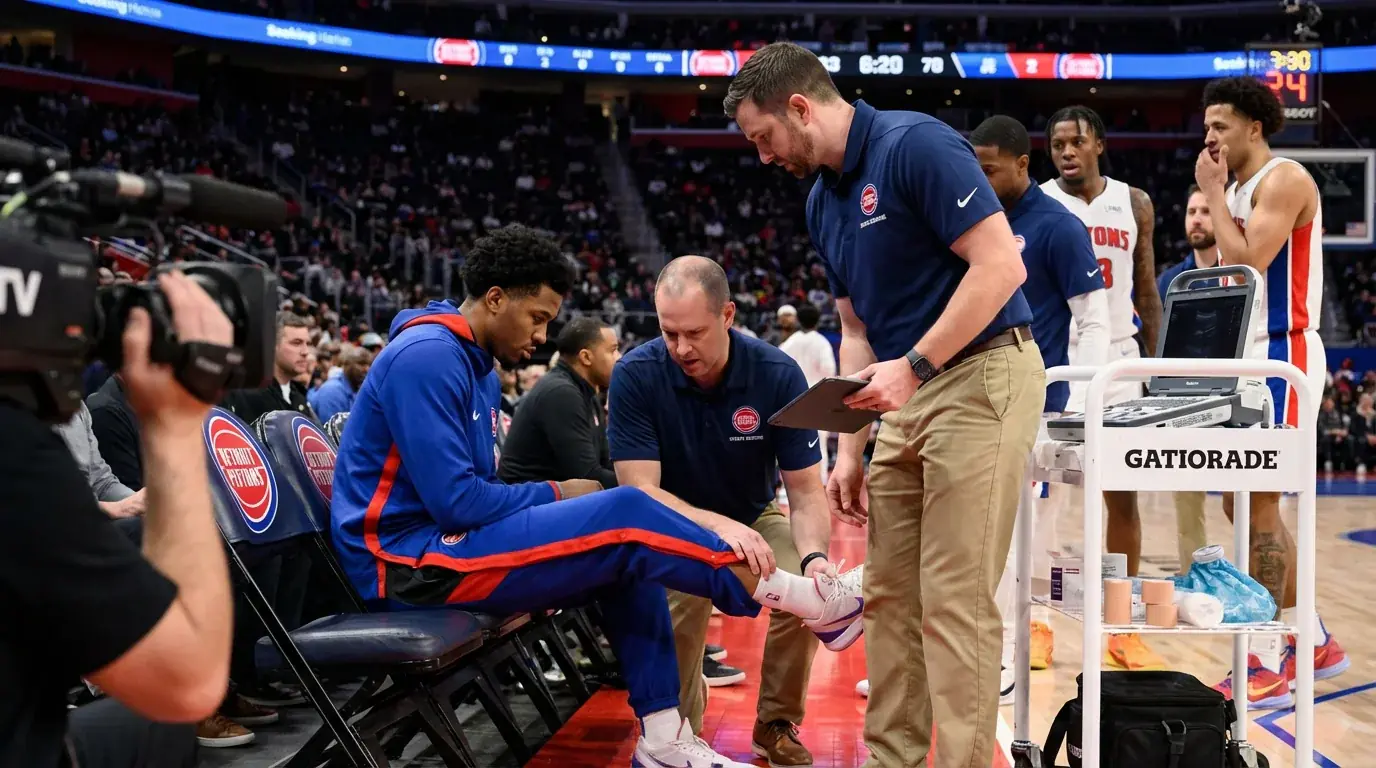
The notification flashed on my phone: “Anthony Davis listed as doubtful for tonight’s game.” Within seconds, the Lakers’ spread moved from -4.5 to -2. I’d already placed my bet at the original line, watching helplessly as the market digested information I didn’t have minutes earlier. That experience taught me how critical injury timing is in NBA betting.
Injury reports move lines faster than almost any other information in basketball betting. A star player’s status shifting from “probable” to “out” can swing a spread by 4-5 points. After nine years tracking these dynamics, I’ve built systems for monitoring injury news and understanding how bookmakers respond to status changes.
The relationship between injuries and betting lines reflects broader market efficiency. Information travels instantly in modern markets, and bookmakers adjust prices within moments of injury news breaking. Understanding this speed matters for timing your bets appropriately.
This guide covers the NBA’s injury reporting requirements, how line movements follow status updates, and strategies for navigating injury uncertainty.
NBA Injury Reporting Requirements
The NBA mandates injury reporting to ensure fair competition and maintain integrity. Teams must file official injury reports identifying players who might miss games or play with limitations.
Traditional reporting required hourly updates during game days. The 2025 integrity scandal prompted significant changes – injury reporting now requires updates every 15 minutes during game days. This accelerated timeline reduces the window during which insider information provides betting advantage.
Official designations follow standardised categories. “Out” means the player won’t play. “Doubtful” suggests a significant chance of missing the game. “Questionable” indicates uncertainty in either direction. “Probable” suggests the player will likely play but isn’t certain. “Available” means no injury concerns.
These designations carry legal weight. Teams that misreport injury status or fail to update timely face fines from the league. The system exists partly to protect betting markets from manipulation through selective injury information disclosure.
The integrity concerns that prompted tighter reporting requirements remain relevant for bettors. When injury information reaches you, assume the market has already priced it in. True edge comes from interpreting injury implications better than the market, not from receiving information faster.
Rest designations differ from injuries. When healthy players sit out for “load management” or planned rest, different reporting protocols apply. These decisions often come later in the reporting cycle, creating distinct market dynamics from injury-related absences.
The window between injury report updates and tip-off creates the most volatile betting environment. A player upgraded from “doubtful” to “available” thirty minutes before game time produces rapid line movement as bookmakers and bettors process the new information simultaneously.
How Injuries Move Betting Lines
Star player absences produce the largest line swings. When a player like Giannis Antetokounmpo or Kevin Durant gets ruled out, spreads typically move 4-6 points. The magnitude depends on the player’s impact, the opponent, and whether replacement options exist.
Role player injuries move lines less dramatically but still noticeably. A key defender being ruled out might shift spreads by 1-2 points if the matchup involves an opponent who’d exploit that absence. Sometimes the market doesn’t react strongly because replacement players project similarly.
Totals respond to injuries differently than spreads. Losing a high-volume scorer might lower game totals while losing a defensive anchor might raise them. The direction depends on which side of the ball the absent player most affects.
Multiple injuries compound effects. If both starting guards are questionable and one gets ruled out, the remaining questionable player’s status becomes even more critical. Lines might move moderately on the first absence, then dramatically on the second.
I track injury report timing closely. Lines often move before official reports when beat reporters tweet information. The official report confirms what insiders already knew, but the earliest movers capture value before the public market catches up.
Injury Reports and Player Prop Settlement
Player props face unique settlement challenges around injuries. The “must play” rule determines whether bets stand or void based on participation.
If a player is listed in the starting lineup but leaves early due to injury, props typically stand – they played, even if briefly. A player who suffers a first-quarter injury might have props voided at some bookmakers if they fail to reach minimum playing time thresholds, but policies vary.
The distinction between “starts” and “plays” matters. First-basket bets require starting; general props require playing some minutes. Understanding your bookmaker’s specific rules prevents confusion when injuries occur mid-game.
Late scratches create chaos for SGPs. If you built a same-game parlay including a player prop and that player gets ruled out after you placed the bet, most bookmakers void that leg and recalculate the parlay at reduced odds. The bet continues without the injured player’s component.
I avoid heavy prop exposure on players with injury uncertainty. A “questionable” designation suggests genuine doubt about participation. Betting significant stakes on someone who might not play creates unnecessary variance that disciplined bankroll management should avoid.
Using Injury Reports in Your Betting
Following team beat reporters provides faster information than official league channels. These journalists have sources within organisations and often tweet injury updates before formal reports are filed. Building a Twitter list of reliable beat reporters for teams you bet on creates informational edge.
Line movements tell their own story. If a spread moves significantly without apparent news, someone with information is betting. Tracking line movements in the hours before tip-off reveals which games have hidden injury factors the public hasn’t processed.
The 15-minute reporting requirement creates predictable windows. During game days, check injury reports on the quarter-hour as updates publish. Being among the first to see status changes lets you bet before lines fully adjust – though you’re competing against sophisticated operations that monitor these feeds automatically.
Historical injury patterns inform future expectations. Players with chronic conditions produce predictable uncertainty. Someone who’s been “questionable” for their last six games might follow patterns – always playing through the designation, or frequently getting ruled out late. Past behaviour helps anticipate future decisions.
Consider betting before injury resolution when you have strong views. If you believe a team wins regardless of their star’s status, betting before the uncertain player is ruled in or out might capture better odds. Once they’re confirmed available, the line adjusts against you.
I factor injury uncertainty into position sizing. When key players are genuinely questionable, I reduce stake sizes even if I’ve bet before status becomes clear. The chance of an unfavourable ruling after bet placement justifies smaller exposure on uncertain situations.
Frequently Asked Questions
How often does the NBA update injury reports?
As of 2025, the NBA requires injury report updates every 15 minutes during game days, significantly tightened from the previous hourly requirement. This change followed the 2025 integrity scandal and aims to reduce the window during which insider injury information provides betting advantage.
What happens to my bet if a player is ruled out after tip-off?
If a player is ruled out after the game begins – meaning they never played – most bookmakers void bets on that player’s individual props. If they played any minutes before exiting due to injury, bets typically stand and settle based on accumulated statistics. Specific policies vary by bookmaker.
Created by the ”nba Betting Rules” editorial team.