NBA Player Props Settlement: How UK Bookmakers Grade Your Prop Bets
 Available in US
Three seasons ago, I watched a punter lose his mind over a Jayson Tatum rebounds prop. Tatum finished with exactly 8 boards according to the broadcast — the line was 7.5 over. Easy winner, right? Except the next morning, the NBA’s official scorekeepers corrected a rebound attribution, dropping Tatum to 7. The bet lost. That’s when I realised most bettors have no idea how player prop settlement actually works.
Player props have exploded in popularity among UK NBA bettors, and I understand why. They let you focus on individual performances rather than game outcomes, creating opportunities even when two mismatched teams face off. But the settlement mechanics behind these markets are considerably more complex than moneyline or spread bets. Getting burned by rules you didn’t know existed isn’t bad luck — it’s avoidable.
The NBA itself has acknowledged that proposition bets on individual player performance involve heightened integrity concerns and require additional scrutiny. This isn’t paranoia; it reflects real vulnerabilities in how these markets function. Understanding settlement rules protects you from both legitimate disputes and the rare but real manipulation attempts that have plagued the league recently.
Over nine years of analysing NBA betting markets for UK punters, I’ve compiled detailed notes on how every major bookmaker handles prop settlement. What follows is everything you need to know — from basic mechanics to edge cases that catch even experienced bettors off guard.
Types of NBA Player Props Available in the UK
The range of player props available to UK bettors has expanded dramatically since I started in this industry. What used to be limited to basic points markets now encompasses virtually every trackable statistic the NBA records. Basketball accounts for roughly 16% of the global sports betting market, and player props represent an increasingly significant slice of that action.
UK-licensed bookmakers typically organise props into three tiers. The primary tier includes points, rebounds, and assists — the traditional “box score” statistics with the deepest liquidity and tightest lines. The secondary tier covers steals, blocks, three-pointers made, and turnovers — still widely offered but with slightly wider margins. The tertiary tier ventures into combination markets, milestone props, and game-specific specials that vary by operator.
Before placing any prop bet, I always verify which statistics the bookmaker uses for settlement. Most reference official NBA data feeds, but the timing of when they pull that data — and whether they adjust for corrections — differs. This isn’t paranoia; it’s due diligence that has saved me money repeatedly.
Points Scoring Props
Points props remain the most popular NBA player market among UK bettors, and for good reason. Scoring is the most visible statistic, easiest to track during live viewing, and least susceptible to subjective interpretation. A made basket is a made basket — there’s no ambiguity about whether the stat happened.
Lines typically range from single digits for deep bench players to the mid-thirties for elite scorers. The standard format offers over/under at half-point increments (24.5, 25.5, etc.) to eliminate pushes, though some bookmakers occasionally post whole numbers with push provisions.
I pay attention to how points are defined in settlement terms. Free throws, two-pointers, and three-pointers all count toward the total. Disallowed baskets due to offensive fouls or shot clock violations don’t count — and occasionally the official scorer initially credits a basket that gets removed upon review. This creates settlement ambiguity in close-line situations.
The points props market also includes derivative options: first quarter points, first half points, and points in specific game segments. These segment-based props settle independently from full-game props and exclude overtime by definition.
Rebounds, Assists, and Combo Markets
Rebounds and assists introduce more interpretive complexity than points. The NBA’s official scorekeepers make judgment calls on rebound attribution (did the ball touch the rim?) and assist crediting (did the pass directly lead to the score?). These calls occasionally get revised after the game ends.
Rebound props split into offensive and defensive categories for some bookmakers, though the most common market is total rebounds. I’ve found total rebounds more predictable than the split — offensive rebounding depends heavily on shot selection patterns that vary game to game, while defensive rebounding correlates more strongly with minutes played.
Assists require particular attention. A common question I receive: do assists count if the shot results in free throws rather than a made field goal? The answer is no. An assist requires a made basket, so a pass leading to a foul and subsequent free throws doesn’t count as an assist, regardless of how instrumental that pass was. This technicality matters for players who frequently drive and kick to shooters.
Combo markets like points + rebounds or assists + rebounds combine two statistics into a single line. The aggregation reduces variance slightly — a player underperforming in one category might compensate in another — but also requires both statistical components to collectively exceed the line.
Points + Rebounds + Assists (PRA)
PRA markets have become my personal favourite for NBA prop betting. The three-stat combination captures overall player impact better than any single metric, and the higher totals involved reduce the impact of marginal swings in any one category.
Star players routinely post PRA totals in the 40-55 range, with elite multi-faceted performers like triple-double threats exceeding 60. The lines reflect expected minutes, opponent defensive quality, and pace of play. I’ve found PRA markets somewhat less efficient than single-stat props, likely because they require bookmakers to model three interconnected variables simultaneously.
One edge I exploit: PRA props for players whose roles have recently shifted. When a starting point guard returns from injury and a backup who’d been handling primary playmaking duties returns to a secondary role, the market sometimes adjusts the backup’s PRA line slower than it should. That transition period offers value.
The settlement principles for PRA mirror other props — overtime counts, official NBA statistics apply, and corrections can affect results. But the aggregated nature means individual stat corrections have proportionally smaller impact on the combined total.
How Player Props Are Settled
The settlement process for player props appears simple on the surface: player accumulates stats, final number compared to line, bet grades accordingly. In practice, dozens of edge cases complicate this framework. I’ve spent hours on customer service calls arguing settlements that seemed obvious to me but fell into grey areas in the bookmaker’s rules.
Most UK bookmakers settle props using official NBA statistics as the definitive source. This sounds straightforward until you realise the NBA sometimes revises statistics hours or even days after games conclude. The question becomes: which version of “official” counts for settlement?
Standard practice among major UK operators is to settle based on statistics available at a specific cutoff time — often 24 hours after game completion. Corrections made before that cutoff adjust the settlement; corrections after don’t. But “standard practice” isn’t universal, and I’ve encountered operators who settle immediately using broadcast statistics, then refuse to adjust when official data differs.
The practical implication: if your prop bet lands on a line where a single rebound or assist determines the outcome, prepare for potential delays. Bookmakers exercising caution will wait for official confirmation rather than settling instantly. This delay protects both parties from premature grading.
The Must Start vs Must Play Distinction
This distinction has cost more UK bettors money than perhaps any other prop settlement rule. “Must start” means the player must be in the starting lineup for the bet to stand. “Must play” means the player must take the court at any point during the game. Different bookmakers apply different standards, and the terminology isn’t always clearly labelled.
Under “must start” rules, if your selected player comes off the bench instead of starting, the bet voids regardless of their actual performance. I’ve seen bettors lose out when a coach made a last-minute lineup change for matchup reasons, moving a usual starter to a sixth-man role. The player still played 35 minutes and exceeded the prop line — but the bet voided because he didn’t start.
“Must play” provisions are more lenient. As long as the player logs any playing time whatsoever, the bet stands. This includes scenarios where a player enters briefly, suffers an injury, and doesn’t return. Under “must play” rules, that limited appearance counts — the bet grades on whatever stats the player accumulated.
I always verify which standard applies before placing props. The information typically lives in the bookmaker’s basketball rules section, though some operators display it directly on the bet slip. When in doubt, assume “must start” — the more restrictive interpretation protects you from misunderstanding.
Late scratches present the trickiest scenarios. If a player is ruled out after you’ve placed your bet but before tipoff, most bookmakers void the wager. But the cutoff timing varies — some use official injury reports, others use actual tip-off. Know your bookmaker’s policy.
Did Not Play (DNP) Outcomes
DNP scenarios fall into several categories, each potentially triggering different settlement outcomes. The NBA’s official box scores distinguish between DNP-Coach’s Decision, DNP-Injury, DNP-Rest, and other designations. UK bookmakers generally don’t differentiate — a DNP is a DNP — but the timing matters enormously.
Pre-game DNPs are the cleanest. If a player is ruled out before the game begins and you placed your bet before that announcement, most bookmakers void the wager. Your stake returns. This protects you from information asymmetry — you couldn’t have known the player wouldn’t participate.
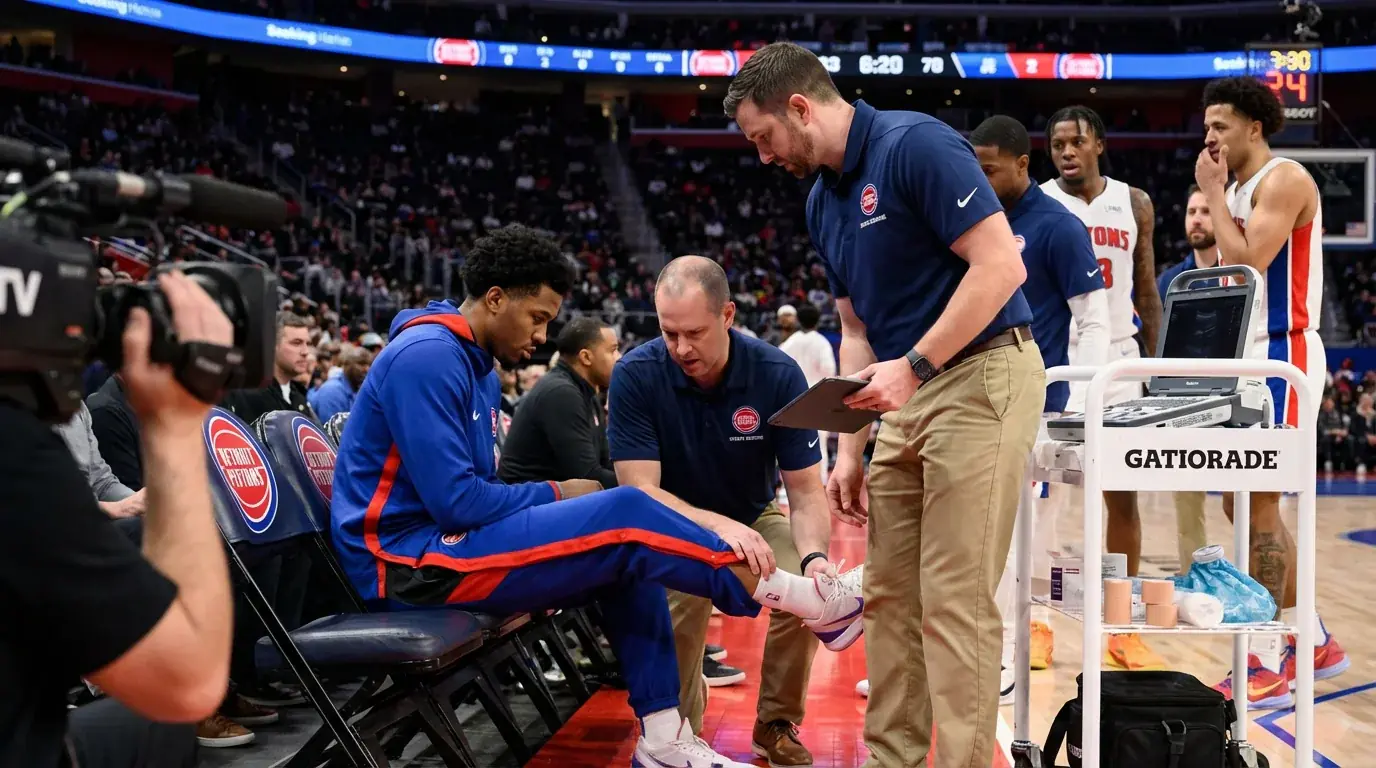
In-game DNPs create messier situations. If a player starts but exits with an injury in the first quarter and doesn’t return, your prop settles on whatever they accomplished. A player with zero points when injured still loses the over on any points prop. There’s no “injured exception” that voids the bet or adjusts the line.
The edge case that generates the most complaints: a player who dresses but receives zero minutes by coach’s decision. Technically, they were available to play. Under strict “must play” rules, these bets often void because no playing time occurred. But under “must be active” interpretations, the bet might stand with a zero-stat result — guaranteeing a loss on any over bet.
My advice: avoid props on players with questionable availability statuses. The settlement outcomes are too unpredictable, and the slight value you might find rarely compensates for the dispute risk.
Stat Correction Overview
Stat corrections remain the most contentious aspect of prop settlement. The NBA employs official scorekeepers at each game, but they’re human, and they make mistakes. A rebound gets attributed to the wrong player. An assist goes uncounted. A steal gets credited when the defender never actually touched the ball. These errors get corrected — sometimes quickly, sometimes days later.
Most UK bookmakers maintain a correction window, typically 24-72 hours after the game. Corrections within this window can alter settlements; corrections outside don’t. I’ve had bets reversed both directions — wins turning to losses and vice versa — based on official NBA revisions.
The practical challenge: you can’t know when or whether corrections will occur. Celebrating a winner immediately after the game feels hollow when you know a single rebound reattribution could flip the result. I’ve trained myself to wait until settlements actually post before considering any prop truly decided.
For comprehensive detail on stat correction mechanics, timing, and how to dispute settlements that don’t account for official revisions, I’d recommend exploring dedicated coverage elsewhere. The key principle is simple: official NBA data ultimately governs, but the timing of when bookmakers reference that data introduces settlement variation.
Overtime and Player Props
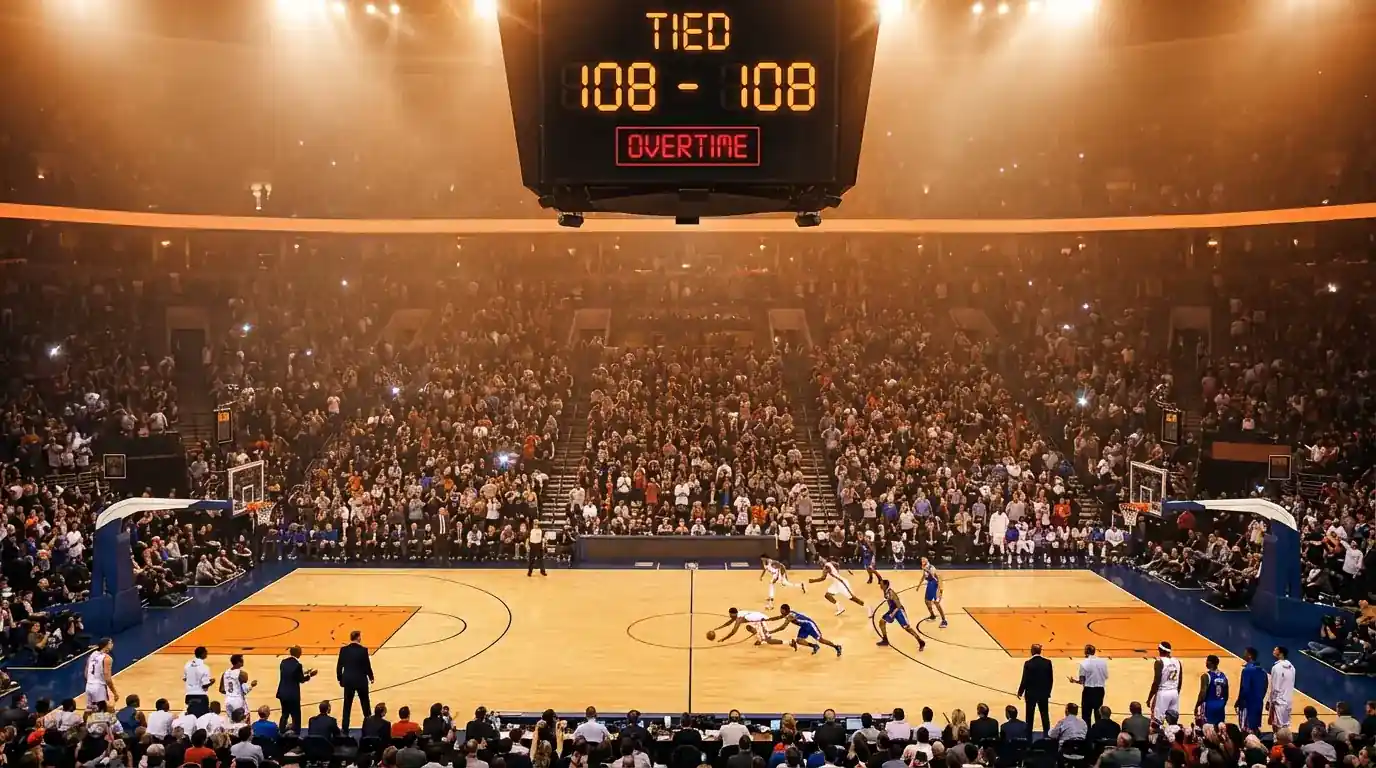
Here’s a question I field constantly: do overtime statistics count toward player prop settlement? The answer, across virtually every UK bookmaker, is yes. Full-game player props include all overtime periods. If a player has 22 points at the end of regulation and scores 6 more in overtime, their settlement total is 28 points.
Roughly 6% of NBA games reach overtime — about 74 out of 1,230 regular season contests. That’s frequent enough to matter for your betting strategy but rare enough that many bettors never experience it directly. When overtime does occur, prop outcomes can flip dramatically in either direction.
Star players often see expanded minutes in overtime, increasing their opportunities to accumulate statistics. Conversely, players already deep into foul trouble might see limited OT run, depressing their final numbers. The uncertainty cuts both ways.
The exception involves segment-specific props. First half points, fourth quarter rebounds, or other period-limited markets exclude overtime by definition. Overtime is its own distinct period, separate from regulation quarters. If you bet a player’s first half points, overtime performance is irrelevant to that specific wager.
For a complete breakdown of how overtime affects all NBA betting markets, not just props, my overtime betting rules guide covers the full landscape.
Integrity Issues and Prop Betting
In October 2025, federal authorities arrested 34 individuals connected to an NBA gambling scandal that shook the league to its core. The investigation implicated current and former players, including names that stunned the basketball world — Chauncey Billups and Terry Rozier among them. FBI Director Kash Patel didn’t mince words, calling it “the insider trading saga for the NBA.”
The scandal centred heavily on player props, not game outcomes. Manipulating a game’s winner requires coordinating multiple players and overcoming the inherent unpredictability of basketball. Manipulating one player’s rebounding total? That requires just one compromised individual making subtle effort adjustments. The vulnerability is structural.
The NBA’s official response acknowledged this reality directly. Protecting the integrity of our game is paramount, the league stated, and reasonable limitations on certain prop bets should be given due consideration. This wasn’t vague posturing — it represented a genuine reassessment of how player props function within legal betting frameworks.
The league also clarified its position on specific market types, noting that proposition bets on individual player performance involve heightened integrity concerns and require additional scrutiny. Core to the NBA’s position is that sports leagues should have control over the types of bets offered on their games — a stance that implies potential future restrictions on certain prop categories.
Following the scandal, the NBA overhauled its injury reporting requirements. Teams now must update player status every 15 minutes rather than hourly, reducing the window for information asymmetry. The league also expanded monitoring of betting line movements that correlate with subsequent injury announcements. Interestingly, an earlier 2023 investigation had flagged “aberrational betting patterns” around Rozier without finding violations — a detail that raises questions about detection capabilities.
What does this mean for UK bettors? Heightened scrutiny benefits honest punters. More monitoring means abnormal line movements get investigated. Tighter injury reporting reduces informational edges that only connected insiders could exploit. The market becomes marginally more efficient and fair.
That said, prop betting remains inherently more susceptible to manipulation than game-outcome betting. I’m not suggesting you avoid props entirely — I bet them regularly — but approaching these markets with awareness of their vulnerabilities is prudent. Unusually sharp line movements on obscure prop markets warrant scepticism.
Settlement Differences Between UK Bookmakers
After nearly a decade tracking settlement practices across UK operators, I can confirm that meaningful differences exist. The broad principles align — official NBA stats govern, overtime counts for full-game props, DNPs typically void — but the specifics diverge in ways that matter.
Correction windows vary from 24 hours to 72 hours depending on the operator. Some bookmakers explicitly state they’ll adjust settlements for any official NBA revision within their window. Others use more ambiguous language suggesting corrections “may” affect settlements, leaving discretion with the trading team.
The must-start versus must-play distinction isn’t standardised. I maintain a personal reference document noting each bookmaker’s policy because the information isn’t always prominently displayed. Before significant prop bets, I verify which interpretation applies — it’s saved me from misunderstandings multiple times.
Settlement timing differs substantially. Some operators settle props within minutes of game completion using preliminary statistics. Others wait for official box scores, which can take 30-60 minutes to finalise. A few particularly cautious bookmakers delay settlement on close-line props for 24+ hours to account for potential corrections.
Dispute resolution processes also vary. UK Gambling Commission licensing ensures all operators must provide formal complaint mechanisms, but the practical experience ranges from responsive and fair to bureaucratic and dismissive. Keeping records of rules at the time of bet placement — screenshots work well — strengthens your position if disputes arise.
My general advice: concentrate your prop betting with operators whose settlement practices you understand thoroughly. Spreading action across many bookmakers increases the chances of encountering an unfamiliar rule interpretation at the worst possible moment.
Frequently Asked Questions
What happens to my player prop if the player gets injured mid-game?
Your bet settles based on whatever statistics the player accumulated before leaving the game. If they had 12 points when injured and your line was 15.5 over, you lose. There’s no injury exemption or void provision for in-game injuries under standard settlement rules. The must-play requirement was met when they took the court, so the bet stands.
Do assists count if the shot results in free throws?
No, assists require a made field goal. If a player passes to a teammate who is fouled while shooting and makes the subsequent free throws, no assist is credited. This technicality affects players who frequently create for shooters in foul-drawing situations. Only passes directly leading to made baskets count as assists for betting settlement purposes.
How long do bookmakers wait for stat corrections before settling props?
Most UK bookmakers maintain a correction window of 24-72 hours after game completion. Corrections within this window can adjust settlements; those after typically don’t. Some operators settle immediately using preliminary stats and may not adjust for later corrections. Check your bookmaker’s specific policy, as practices vary significantly.
What counts as a double-double for betting purposes?
A double-double requires reaching double digits in two of five statistical categories: points, rebounds, assists, steals, or blocks. The most common combinations are points plus rebounds or points plus assists. Overtime statistics count toward the totals. Settlement uses official NBA stats, which may differ slightly from broadcast graphics during the game.
Written by the editors at nba Betting Rules.