NBA MVP Betting Rules: How Award Markets Work
 Available in US
November of every NBA season brings the same conversation in my betting circles: who’s the MVP favourite, and is there value at the current price? Last year I watched a 40/1 shot collapse to 3/1 by February, turning early believers into smug prophets. MVP betting is a marathon disguised as a futures market – and the settlement rules determine whether your foresight translates into profit.
After nine years analysing NBA award markets, I’ve developed a deep appreciation for how these bets work. The voting process, the timing of settlement, and the handling of injuries and trades all affect your wager in ways that casual bettors overlook. Understanding the mechanics helps you navigate what might be the most opinion-driven market in basketball betting.
This guide explains how MVP betting works at UK sportsbooks, when bets settle, and what happens when circumstances change mid-season.
Understanding the MVP Betting Market
The MVP market opens before the season begins and remains active through the regular season. Early odds reflect preseason expectations: reigning champions, established superstars, and breakout candidates all carry prices based on perceived probability of winning the award.
NBA franchise values average around £4.4 billion, and MVP races drive enormous media attention that inflates those valuations. Bookmakers understand this dynamic and price MVP markets with substantial margins – you’re paying for access to one of the most talked-about betting propositions in American sports.
Odds move throughout the season based on performance and narrative. A player who opens at 15.00 might shorten to 3.00 after a dominant December. Another who opens as the 2.50 favourite might drift to 8.00 following an injury or team struggles. The market continuously reprices as information emerges.
Media coverage shapes MVP betting more than most markets. Voters are sportswriters who consume the same highlights and talking-head debates that casual fans follow. A player dominating national TV games accumulates narrative momentum that raw statistics alone don’t capture.
I evaluate MVP odds through dual lenses: statistical projection and narrative trajectory. A player might have the best metrics but lack the storyline that voters reward. Another might compile a compelling case through winning and leadership that transcends box-score numbers. Both factors matter.
When MVP Bets Are Settled
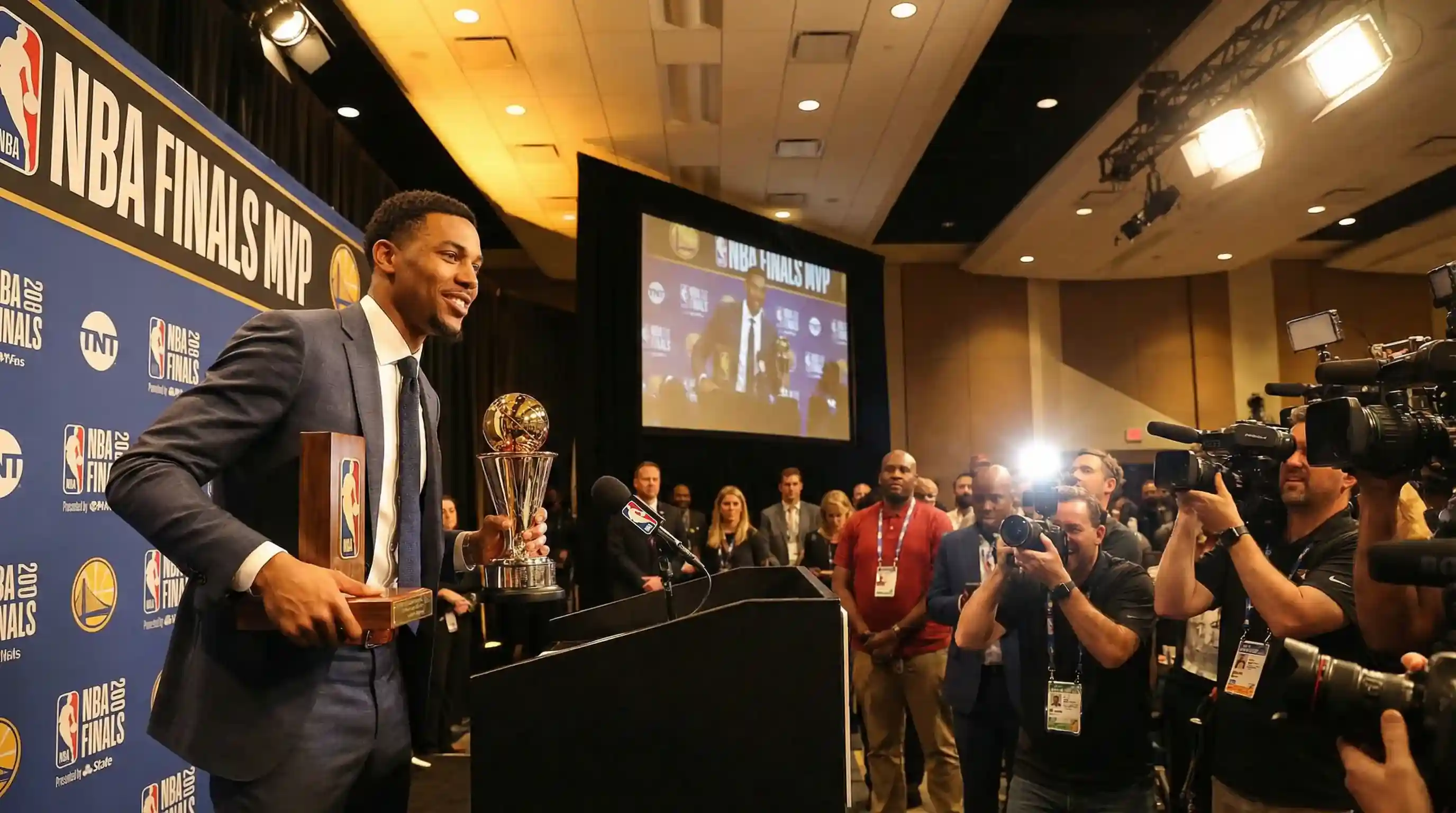
Settlement occurs after the official NBA MVP announcement, which typically happens during the first round of the playoffs. The league holds an awards show where winners are revealed – your bet settles based on the official result, not projections or early leaks.
Timing creates strategic considerations. You lock in prices when you place the bet, but you wait months for resolution. A wager placed in October settles in May or June. That long duration means your capital is tied up, unable to be deployed elsewhere. This opportunity cost matters for bettors who could otherwise deploy funds across multiple shorter-term markets.
Voting happens before playoff performance is known. Media members submit ballots after the regular season concludes, meaning playoff success or failure doesn’t affect MVP voting. A player whose team loses in the first round can still win MVP if their regular-season case was strongest. This separation sometimes frustrates fans who expect playoff performance to matter, but the award explicitly honours regular-season excellence.
First-place votes don’t always determine the winner. The voting system awards points for first, second, and third-place selections. A player might receive fewer first-place votes but more total points if he appeared on more ballots across all three slots. The winner is the player with the most total voting points, not necessarily the most first-place selections.
Dead-heat rules apply in the extraordinarily rare event of a tied vote. If two players finished with identical voting points, most bookmakers would apply dead-heat settlement – your payout would be halved, with each co-winner treated as half a win. This scenario is essentially theoretical; no modern MVP vote has ended in a tie.
Injured or Traded MVP Candidates
Injuries devastate MVP cases. A player who misses 20+ games almost never wins MVP regardless of how dominant they were when healthy. Voters want to reward sustained excellence across the full season, not a brilliant two-month stretch followed by absence.
Your bet doesn’t void if a candidate gets injured. You took the risk when you placed the wager; their injury simply makes winning the award unlikely. The bet settles when the winner is announced, and if your injured player didn’t win, you lose. No refunds for bad luck.
Trades create unusual scenarios. A player dealt mid-season might struggle to accumulate the consistent narrative needed for MVP voting. Split-season statistics across two teams rarely compile into a winning case. However, if a traded player somehow won (extraordinarily rare), the bet would pay based on their overall candidacy.
The 2025 integrity scandal highlighted how player circumstances can shift rapidly. When players face suspensions or legal troubles, their MVP candidacy evaporates instantly. These situations don’t void bets either – any circumstance that removes a player from consideration simply means losing the wager.
Load management affects MVP races. Some stars rest strategically, missing games to stay fresh for playoffs. Voters have historically penalised this approach – playing fewer games means fewer opportunities to demonstrate value, and some view rest as insufficient commitment to regular-season excellence.
How MVP Odds Change Through the Season
Early-season volatility creates opportunities and traps. A player who starts 15-3 with gaudy numbers might see odds crash from 12.00 to 4.00 within weeks. But November performance doesn’t guarantee March performance – regression happens, and betting early requires conviction that current form continues.
The global sports betting market reached £130 billion in 2025 and is projected to hit £460 billion by 2035, with futures markets like MVP betting contributing to that growth. UK operators have expanded award market offerings in response, providing more betting options and tighter spreads than a decade ago.
February and March separate contenders from pretenders. This stretch carries heightened importance because it’s recent in voters’ minds when they submit ballots. A player who dominated December but faded in March often loses to someone who peaked at the right time.
Betting late costs more but reduces uncertainty. By March, you’ve seen 60+ games of evidence and eliminated injury risks that early bettors absorbed. The prices are shorter, but your information advantage over the market is smaller too – everyone has watched the same season unfold.
I balance early and late betting based on confidence. High-conviction preseason picks get action before the market moves. Mid-season adjustments let me add to positions or hedge against candidates I’ve faded. The optimal approach depends on your specific read of individual races.
Frequently Asked Questions
Can I cash out an NBA MVP bet mid-season?
Many UK bookmakers offer cash-out on MVP futures, though availability varies and the offered amount changes constantly. If your selection rises to favouritism, you can lock in profit early. If they falter, cash-out lets you recover some stake. Check whether your bookmaker supports futures cash-out before placing the bet.
What happens if an MVP candidate is traded?
Your bet stands regardless of trades. If your selected player is dealt mid-season, the bet continues – it doesn’t void. Settlement occurs when the MVP is announced after the regular season. Practically speaking, traded players rarely win MVP because split-season narratives don’t resonate with voters.
Written by the editors at nba Betting Rules.