NBA First Basket Betting: First Scorer Markets and Rules
 Available in US
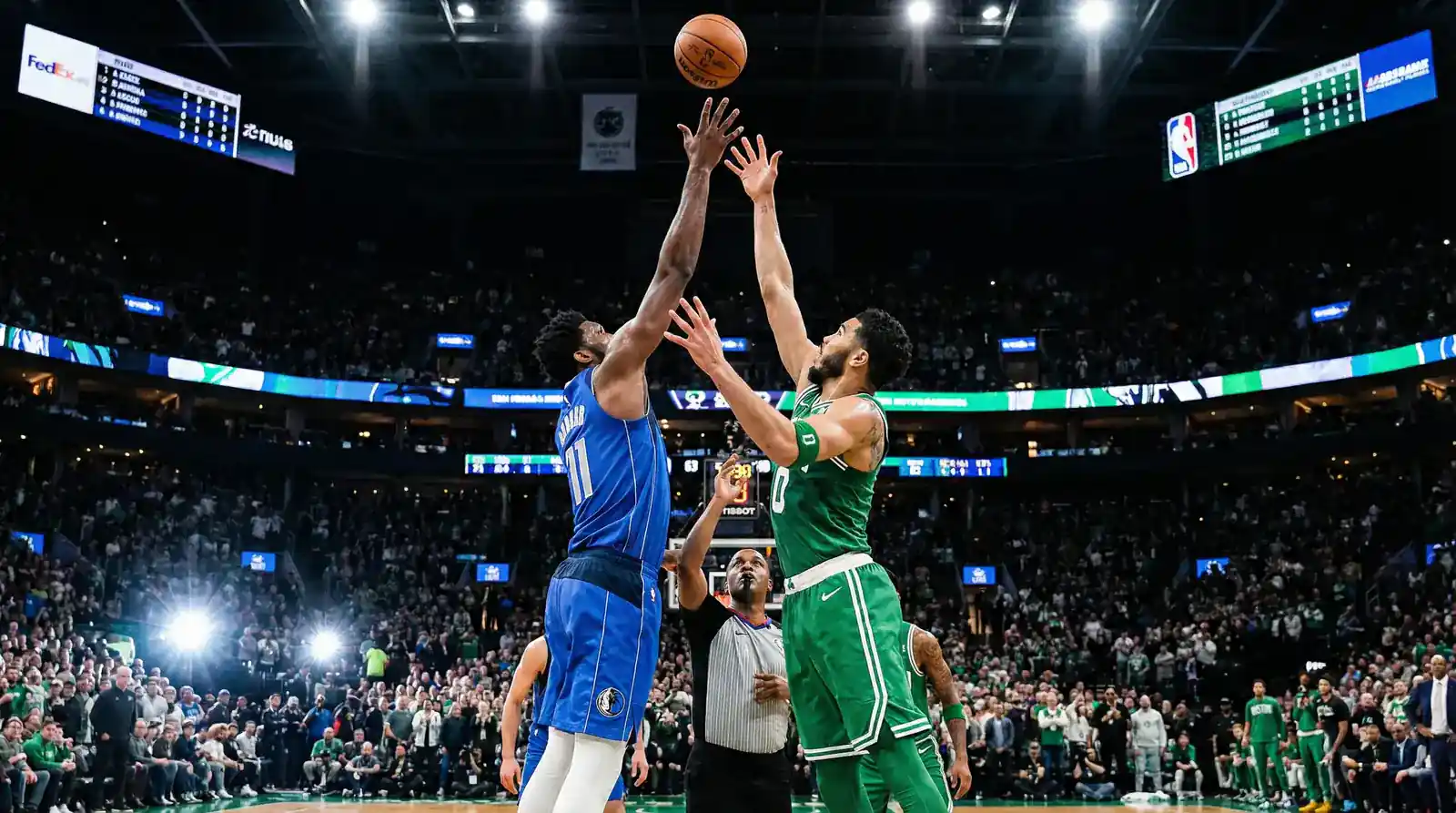
The ball goes up, the centre wins the tip, and within 15 seconds someone has scored the game’s first basket. I’ve watched this sequence thousands of times, and I still find first-scorer betting one of the most entertaining markets in basketball – even if the outcome resolves before I’ve finished my first sip of coffee.
First basket markets distil NBA betting to its most immediate form. No waiting through four quarters, no sweating overtime scenarios. The bet settles within the first few possessions, and then you’re free to focus on other wagers or simply enjoy the game. After nine years analysing these markets, I’ve developed a genuine appreciation for the strategic depth hiding beneath the apparent randomness.
This guide explains how first basket betting works, what happens when your selection doesn’t start, and the factors that genuinely influence who scores first.
First Basket Market Variations
UK bookmakers offer several first-scorer formats, each with slightly different rules and pricing structures.
The most common market lists individual players with odds reflecting their likelihood of scoring first. A team’s primary scorer might sit at 6.00, while a defensive specialist might be 25.00 or longer. These odds factor in both scoring ability and role within the opening possession. Star players often run the first play, making their odds shorter despite the field of potential scorers.
Team first basket markets simply ask which team scores first, without specifying the individual scorer. These carry much shorter odds – typically around 1.85-1.95 for each side – because you’re covering multiple players rather than isolating one.
First basket method adds another layer: predicting not just who scores but how. Categories typically include two-point field goal, three-pointer, and free throws. A player known for driving might have shorter odds on “first basket by two-pointer” while a perimeter shooter’s odds tilt toward three-pointers.
Some operators offer first basket scorer parlays, combining your first-scorer pick with the method or with the team to score first. These combinations carry enhanced odds but require hitting both components.
First team to score 10 or 20 points represents an extended first-basket concept. These markets stay open longer and depend more on overall team quality than opening-possession randomness. I sometimes prefer these over pure first-basket bets because the larger sample reduces variance while maintaining the quick-resolution appeal.
Live first-basket betting exists but closes extremely quickly. The market might remain open for 30 seconds after tip-off, then shut the moment a shot attempt occurs. These live windows are too short for meaningful analysis but allow bets if you’re watching the game live and haven’t placed a pregame wager.
How First Basket Bets Are Settled
Settlement is straightforward: whoever scores the game’s first points wins first-scorer bets on that player. Everyone else loses. The first basket can be a field goal (two or three points) or free throws – any scoring play counts.
Free throws as the first basket happen occasionally. If a foul occurs before any field goal – perhaps on a shot attempt that misses or on a loose-ball foul – free throws might produce the first points. This scenario benefits players who draw fouls frequently and shoot from the line early in games.
Technical fouls or flagrant fouls before tip-off (rare but possible from altercations during warm-ups) create unusual scenarios. Check your bookmaker’s rules on whether pre-game free throws count toward first-basket settlement.
The tip-off itself doesn’t score points – it merely determines possession. Winning the tip gives a team the first opportunity to score, but they still must execute. Teams occasionally turn the ball over on their opening possession, giving opponents the first scoring chance despite losing the tip.
I’ve seen first baskets come from unexpected sources: a backup centre tip-in off a missed shot, a defensive player converting a steal into a fast-break layup, or a reserve who entered early due to a quick foul. The market rewards identifying who gets scoring opportunities, not just who has the most talent.
Tip-Off and Centre Advantage
The jump ball creates a measurable advantage. The team winning the tip controls the first possession and gets the first shot attempt. Over large samples, tip-winning teams score first approximately 55-58% of the time – not overwhelming, but meaningful.
Centre matchups matter for tip predictions. Taller centres with good vertical leap and timing win tips more frequently. When a 7’1″ centre faces a 6’10” power forward playing small-ball centre, the height advantage translates to tip-win probability.
But winning the tip doesn’t guarantee scoring first. The opening possession might produce a turnover, a missed shot leading to a fast break the other direction, or a long offensive rebound sequence that eventually fails. That 55-58% conversion rate leaves substantial room for tip-losing teams to score first.
I factor tip-off matchups into team first-basket analysis more than individual first-scorer picks. Knowing who likely gets first possession helps estimate which team scores first. Predicting which specific player scores requires additional analysis of opening-play tendencies.
Some teams run predictable first-possession plays – isolations for their star player, specific set pieces they’ve practiced for opening tips. Tracking these tendencies across games helps identify which players receive first-possession opportunities consistently.
When Your Selected Player Doesn’t Start
The settlement rule is critical: if your selected player doesn’t start the game, most bookmakers void the bet and return your stake. They must be on the court for the opening tip for your first-scorer bet to have action.
This protects bettors from surprise lineup changes. You might select a player based on their expected starting role, then learn minutes before tip-off that they’re coming off the bench due to minor soreness or a coach’s decision. The void rule ensures you’re not stuck with a near-impossible bet.
However, “doesn’t start” differs from “plays limited minutes.” If your selection starts, plays the opening possession, then sits for extended stretches, your bet stands – they had the opportunity to score first, and the market has action. The void only applies to players who literally don’t take the court for the opening tip.
I always verify starting lineups before first-basket bets. Most bookmakers don’t accept first-scorer wagers once lineups are confirmed, so the window for placing bets typically closes 10-15 minutes before tip-off when starting fives become official.
Injury news matters enormously. A questionable designation that shifts to “out” an hour before tip-off changes everything. Following team injury reports and beat reporters helps avoid situations where your selection is scratched after you’ve placed the bet but before the void-triggering lineup confirmation.
Frequently Asked Questions
What happens if my first basket pick doesn’t play?
If your selected player doesn’t start the game – meaning they’re not on the court for the opening tip-off – most UK bookmakers void the bet and return your stake. However, if they start but simply fail to score first, the bet loses normally. The void rule only applies to non-starters.
Do free throws count as the first basket?
Yes. If the game’s first points come from free throws rather than a field goal, whoever makes those free throws is the first scorer. This can happen if a foul occurs before any field goal attempt, such as on a shooting foul where the attempt misses or on a loose-ball foul situation.
Published by the nba Betting Rules team.